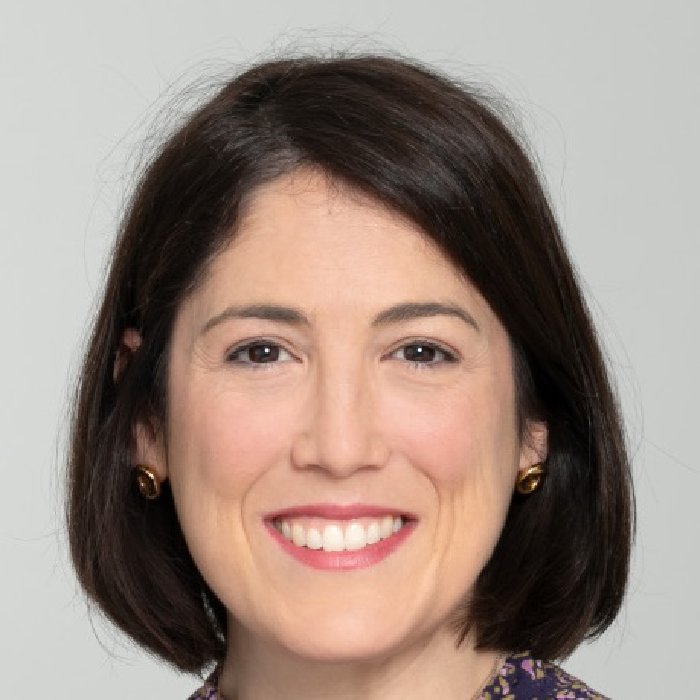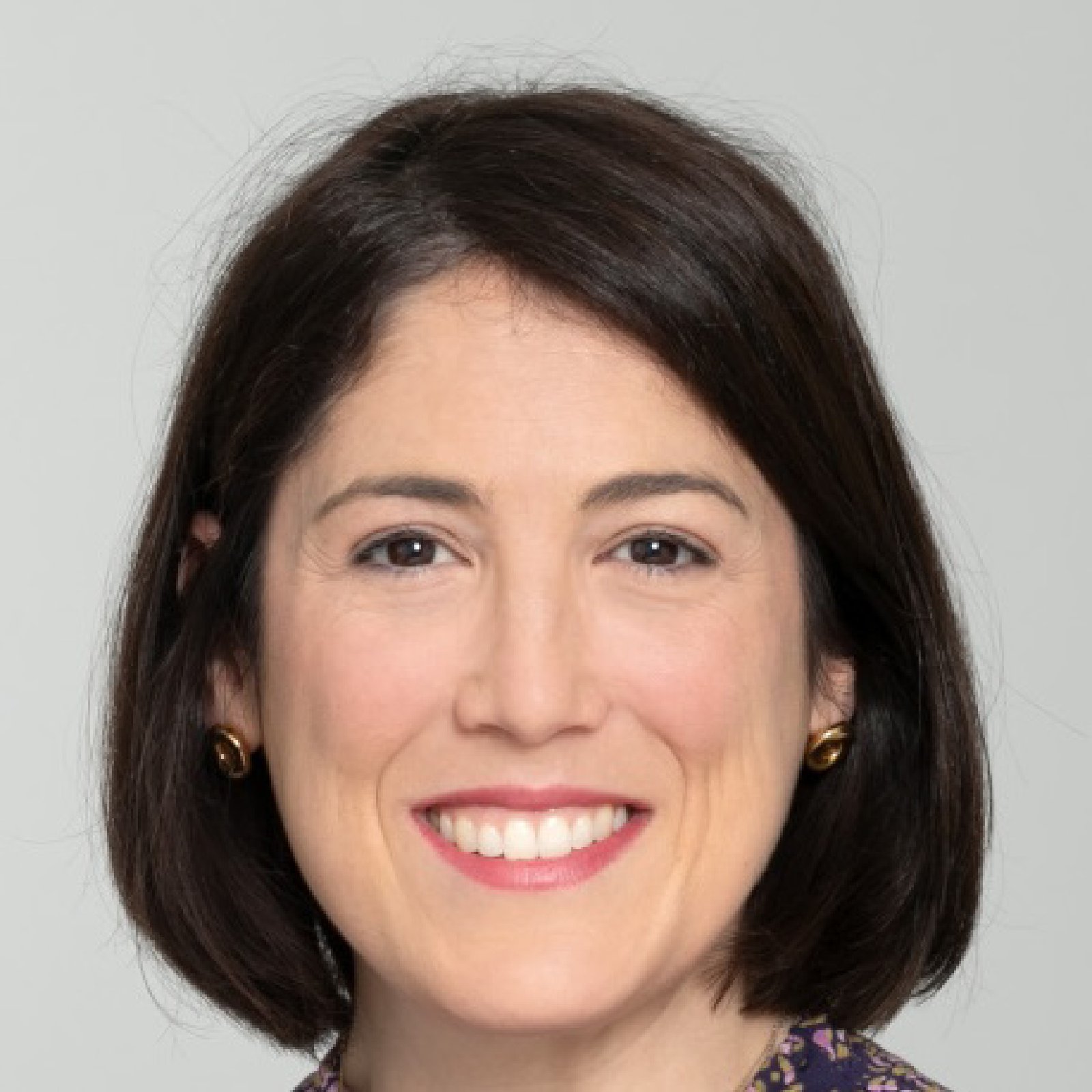
Maria Andres-Alonso
Early career Medical Scientist
Maria Andres-Alonso obtained her degree in Biology at the University of Navarre, Pamplona, Spain (2010). She performed her master studies in Neuroscience at University College London, UK (2010-2012) from where she moved to Germany to pursuing her PhD. She performed her Ph.D. studies at the Leibniz Institute for Neurobiology in Magdeburg where she got interested in synapse biology (2012-2017). During her postdoc at the Center for Molecular Neurobiology Hamburg (ZMNH) she developed a strong interest in neuronal proteostasis, in particular autophagy in neurons, and how neuronal organelles regulate synaptic communication.
Within the FOR 5705 Maria’s interest lies in regulation of basal autophagy and selective cargo degradation as part of the neuronal response to inflammation. She will explore transcriptional changes in the autophagy pathway in the context of chronic inflammation and how these changes lead to alteration in the synaptic and neuronal proteome. Finally, she will explore mechanisms to restore the autophagy function in inflamed neurons and in chronically inflamed animal models to assess the protective or detrimental consequences in neuronal health.
Publications
Neuronal autophagy in the control of synapse function. Karpova A., Hiesinger P.R., Kuijpers M. et al. Neuron. 113, 974-990 (2025).
Golgi satellites are essential for polysialylation of NCAM and expression of LTP at distal synapses. Andres-Alonso M., Borgmeyer M., Mirzapourdelavar H. et al. Cell Rep. 42, 112692 (2023).
The needs of a synapse-How local organelles serve synaptic proteostasis. Grochowska K.M., Andres-Alonso M., Karpova A. & Kreutz M.R. EMBO J. 41, e110057 (2022).
SIPA1L2 controls trafficking and local signaling of TrkB-containing amphisomes at presynaptic terminals. Andres-Alonso M., Ammar M.R., Butnaru I. et al. Nat Commun. 10, 5448 (2019).
SynGO: An Evidence-Based, Expert-Curated Knowledge Base for the Synapse. Koopmans F., van Nierop P., Andres-Alonso M. et al. Neuron. 103, 217-234.e4 (2019).