Paper | June 17, 2025
Immunoproteasome drives neuronal damage
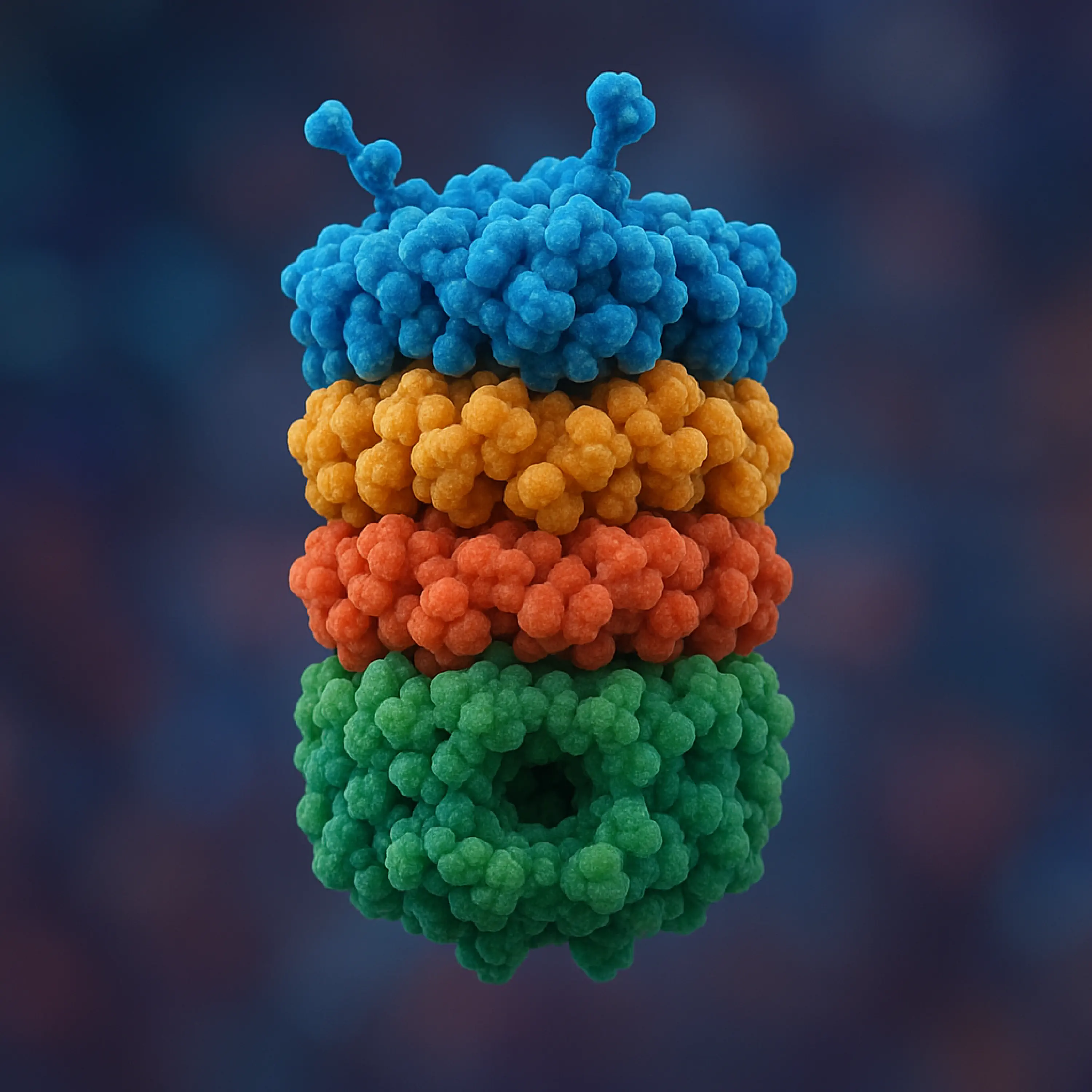
Neuroflame researchers have identified a previously unknown mechanism that contributes to nerve cell damage in the autoimmune disease multiple sclerosis (MS). Until now, it remained unclear how inflammation in MS interferes with the degradation of proteins, leading to their harmful accumulation within nerve cells.
Using a combination of advanced molecular, biochemical, and genetic techniques, the teams led by Prof. Dr. Manuel Friese, Director of the UKE Institute of Neuroimmunology and Multiple Sclerosis and senior author of the study, and Prof. Dr. Catherine Meyer-Schwesinger, Co-Director of the UKE Institute of Cellular and Integrative Physiology and co-lead of the study, uncovered a previously unrecognized mechanism of impaired protein degradation in inflamed neurons. They also identified its key regulator: the immunoproteasome.
Their findings, which may open up new therapeutic avenues for slowing MS progression, have now been published in Cell.
 © Neuroflame
Publications
The immunoproteasome disturbs neuronal metabolism and drives neurodegeneration in multiple sclerosis. Woo M.S., Brand J., Bal L.C. et al. Cell. 188, 4567-4585.e32 (2025).