Paper | September 2, 2026
Neuroprotective complement factor H
Neuroflame researchers have identified a previously unknown mechanism that helps protect nerve cells from damage during inflammation in the central nervous system. Their findings reveal that the protein complement factor H (CFH), which is best known for its role in regulating the immune system, also has a direct protective function inside neurons.
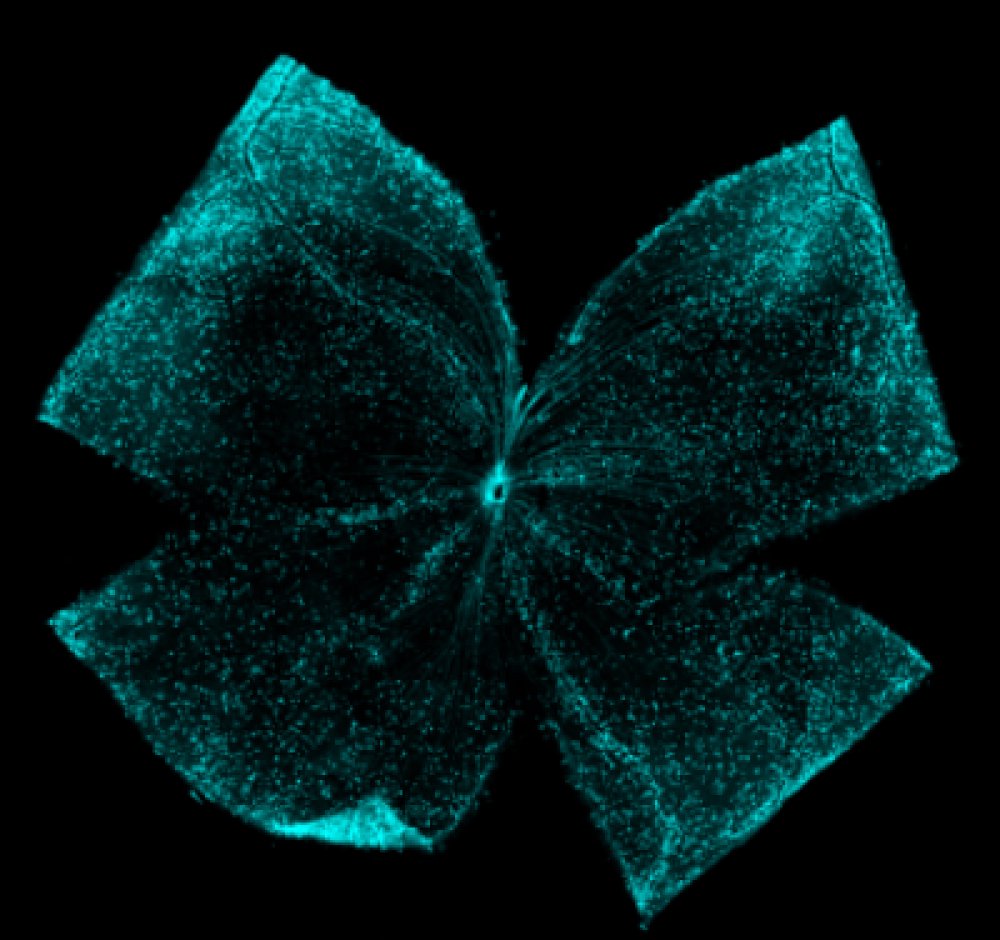
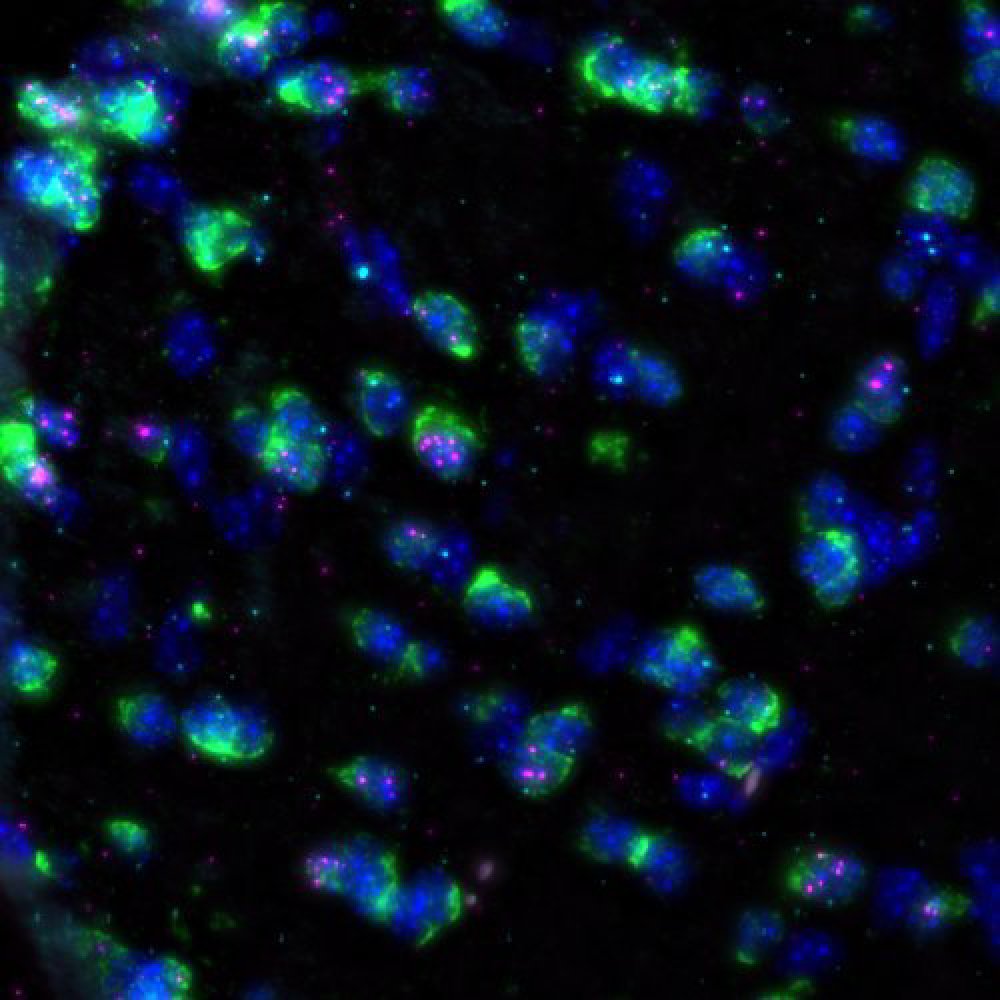
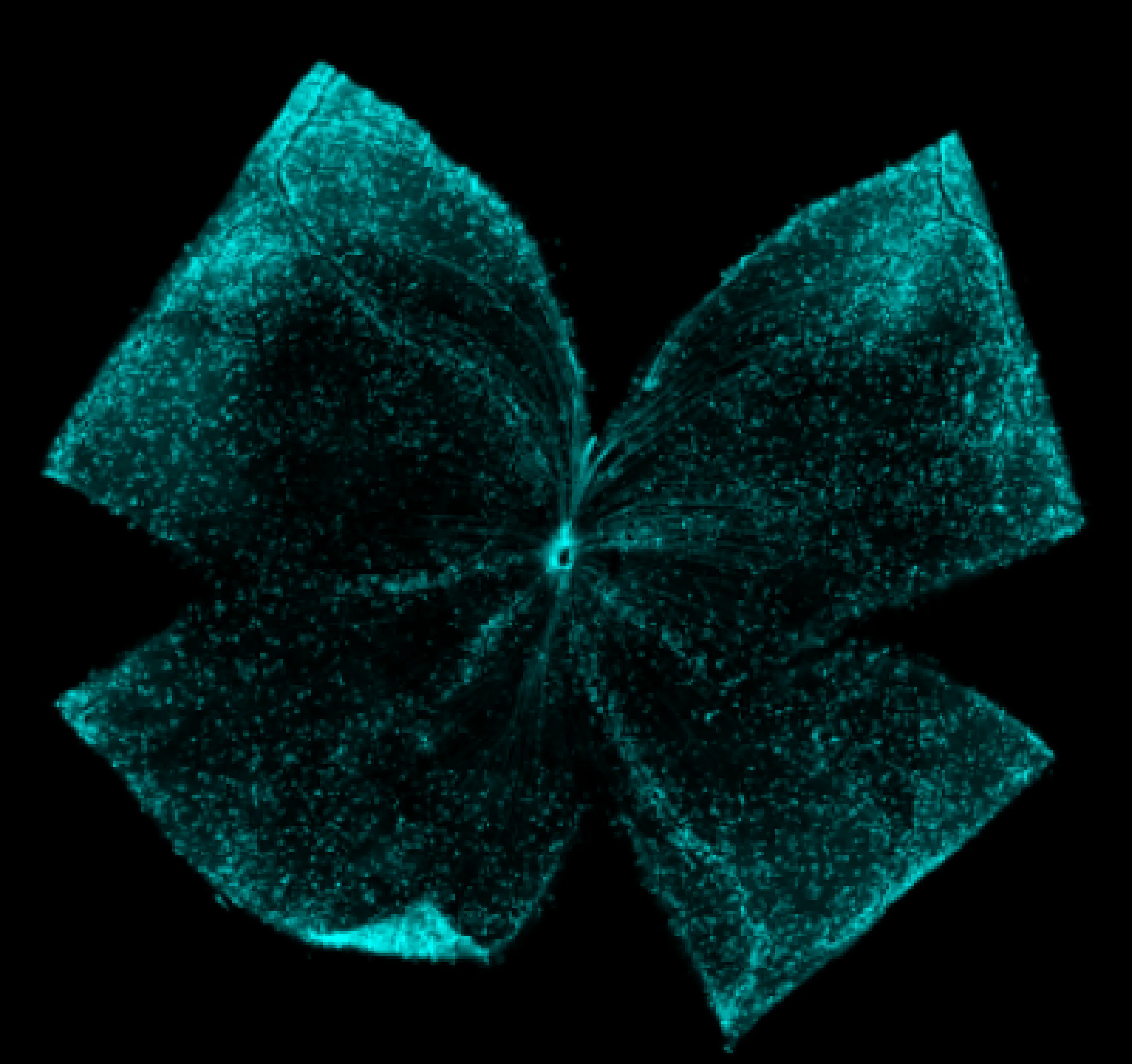
Using single-nucleus RNA sequencing together with molecular, biochemical, and genetic approaches, the team investigated why certain retinal ganglion cells are more resilient to inflammatory damage in multiple sclerosis (MS). They found that CFH expression was strongly associated with neuronal resilience and that inflammatory and oxidative stress induced CFH production in retinal and other central nervous system neurons.
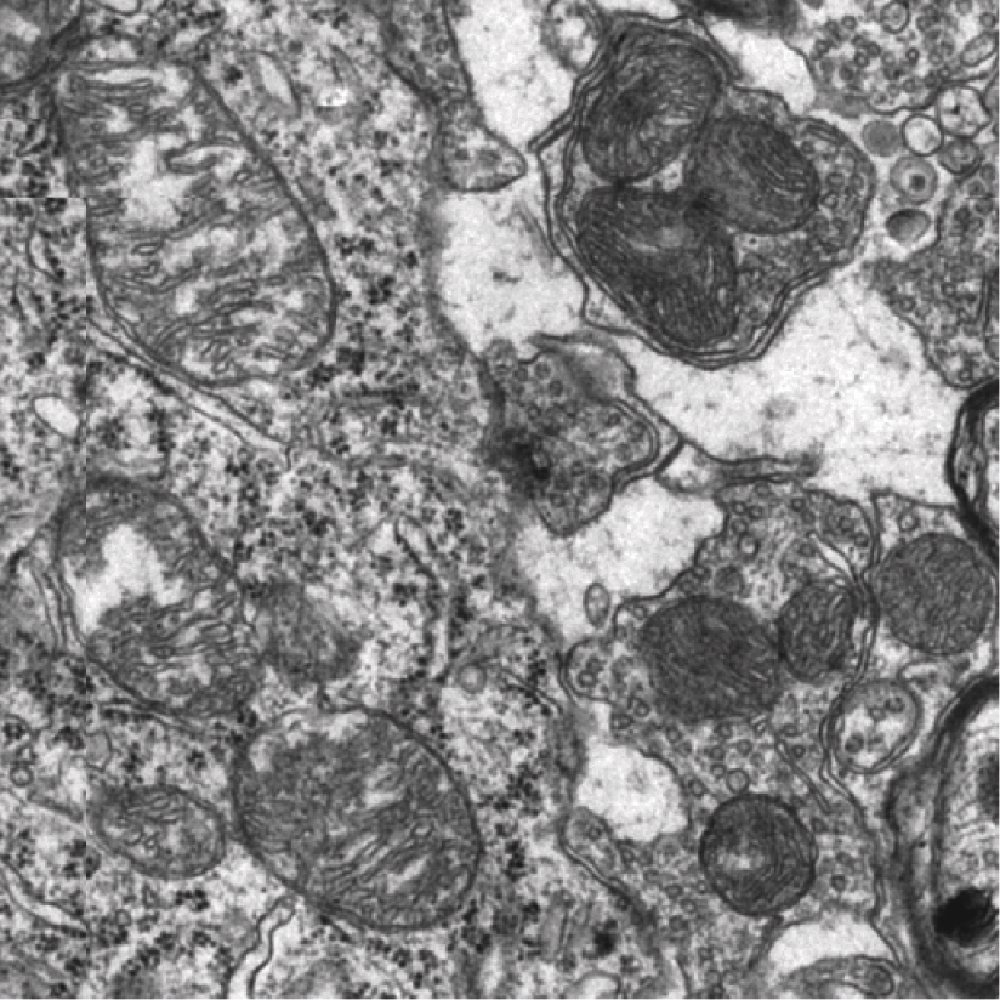
The researchers, led by Prof. Dr. Manuel A. Friese, found that CFH acts inside neurons to limit the accumulation of reactive oxygen species and lipid peroxidation, processes that can contribute to a form of cell death known as ferroptosis. Importantly, this protective function does not depend on CFH being secreted outside the cell or on the complement protein C3. Instead, CFH localizes to the endoplasmic reticulum, where it directly helps protect neurons from oxidative damage. The study further identified the C-terminal SCR20 domain of CFH as essential for its neuroprotective activity.
Their findings uncover a previously unrecognized, intracellular role of CFH and provide new insight into why some neurons are more resistant to inflammatory injury than others. The discovery could open up new therapeutic avenues for protecting nerve cells and slowing neurodegeneration in multiple sclerosis and other inflammatory diseases of the central nervous system.
The study has now been published in Nature.
Publications
Intracellular complement factor H protects neurons during CNS inflammation. Mayer C., Woo M.S., Sonner J.K. et al. Nature. NA, NA (2026).