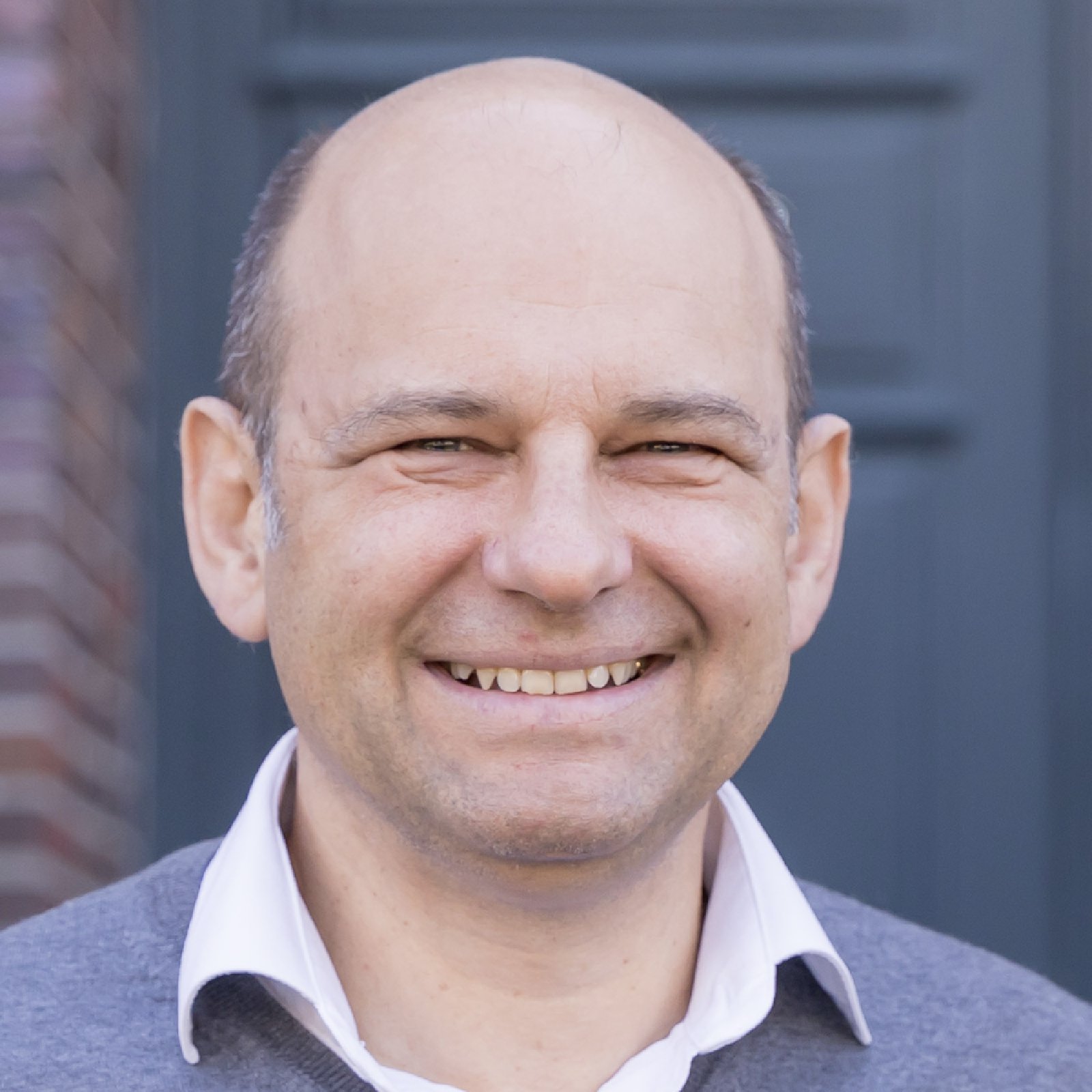
Marc Freichel
Marc Freichel studied medicine at Saarland University and received his MD in 1995 under the mentorship of Prof. Dr. V. Flockerzi, focusing on medical biochemistry. Following clinical training in internal medicine and pharmacology at Heidelberg University, he pursued postdoctoral fellowships in Heidelberg and Saarland, with a research emphasis on cardiovascular pharmacology. In 2002, he completed his habilitation at Saarland University, where he subsequently led a research group and served as Associate Professor. Since 2011, he has been Full Professor (W3) and Chair of the Department of General Pharmacology at Heidelberg University.
Prof. Freichel has contributed extensively to national research governance, including roles with the DFG and DZHK, and serves on editorial boards of prominent journals. He is committed to mentoring, having supervised numerous PhD, MD, and postdoctoral researchers from diverse international backgrounds, many of whom have advanced into leadership roles in academia and industry. His research centers on calcium signaling and organellar calcium fluxes in various disease models, with a strong emphasis on gene-altered mouse models.
Within NeuroFlame, his focus lies on deciphering the role of NAADP signaling and intracellular calcium flux during neuroinflammation.
Publications
TRPC5 controls the adrenaline-mediated counter regulation of hypoglycemia. Bröker-Lai J., Rego Terol J., Richter C. et al. EMBO J. 43, 5813-5836 (2024).
OCaR1 endows exocytic vesicles with autoregulatory competence by preventing uncontrolled Ca2+ release, exocytosis, and pancreatic tissue damage. Tsvilovskyy V., Ottenheijm R., Kriebs U. et al. J Clin Invest. 134, e169428 (2024).
A background Ca2+ entry pathway mediated by TRPC1/TRPC4 is critical for development of pathological cardiac remodelling. Camacho Londoño J.E., Tian Q., Hammer K. et al. Eur Heart J. 36, 2257-66 (2015).
Increased IgE-dependent mast cell activation and anaphylactic responses in mice lacking the calcium-activated nonselective cation channel TRPM4. Vennekens R., Olausson J., Meissner M. et al. Nat Immunol. 8, 312-20 (2007).
Efficient single copy integration via homology-directed repair (scHDR) by 5'modification of large DNA donor fragments in mice. Medert R., Thumberger T., Tavhelidse-Suck T. et al. Nucleic Acids Res. 51, e14 (2023).
Links
Institution

Heidelberg