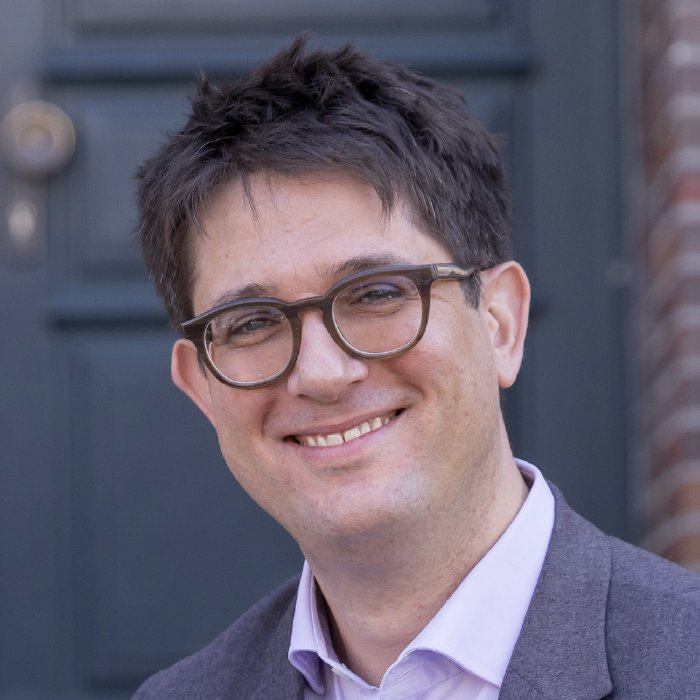
Manuel A. Friese
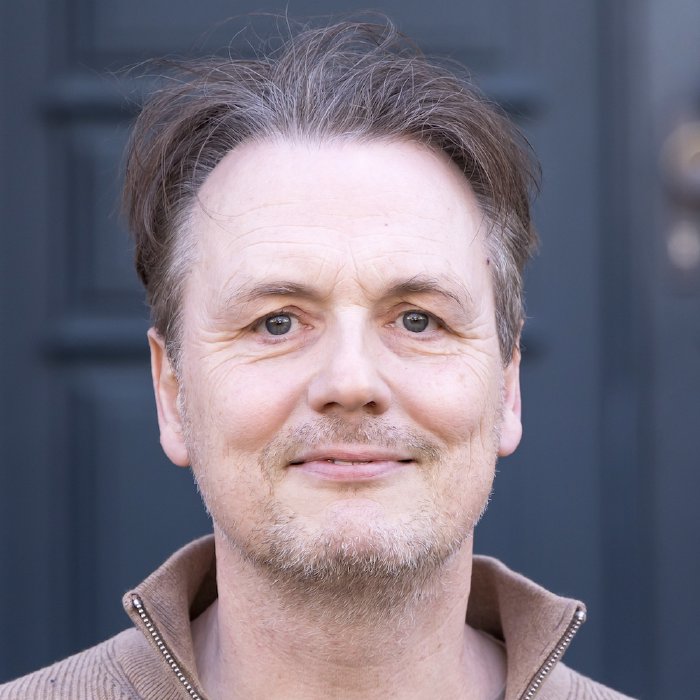
Manuel Friese studied medicine at the Universities of Hamburg, Oxford, and University College London, receiving his MD in 2001. He completed his neurology training at the Universities of Tübingen and Hamburg, Germany. After completing his postdoctoral training at the University of Oxford, UK, from 2004 to 2008, he established his laboratory as an Emmy Noether research fellow of the German Research Foundation (DFG) at the University Medical Center Hamburg-Eppendorf (UKE). Since 2013, he has been a consultant neurologist and Professor of Neurology at the UKE, and since 2014, he has served as the Director of the Institute of Neuroimmunology and Multiple Sclerosis (INIMS). In 2025 he became Director of the Center for Molecular Neurobiology Hamburg (ZMNH). His laboratory focuses on the inflammatory and neurodegenerative aspects of neuroimmunological and neuroinfectious diseases. Within the FOR 5705 his interest lies in the neuronal inflammatory stress response, which is driving continues neurodegeneration in inflammatory disease, such as multiple sclerosis.
Publications
The immunoproteasome disturbs neuronal metabolism and drives neurodegeneration in multiple sclerosis. Woo M.S., Brand J., Bal L.C. et al. Cell. 188, 4567-4585.e32 (2025).
STING orchestrates the neuronal inflammatory stress response in multiple sclerosis. Woo M.S., Mayer C., Binkle-Ladisch L. et al. Cell. 187, 4043-4060.e30 (2024).
G9a dictates neuronal vulnerability to inflammatory stress via transcriptional control of ferroptosis. Rothammer N., Woo M.S., Bauer S. et al. Sci Adv. 8, eabm5500 (2022).
Bassoon proteinopathy drives neurodegeneration in multiple sclerosis. Schattling B., Engler J.B., Volkmann C. et al. Nat Neurosci. 22, 887-896 (2019).
Identifying CNS-colonizing T cells as potential therapeutic targets to prevent progression of multiple sclerosis. Kaufmann M., Evans H., Schaupp A.L. et al. Med. 2, 296-312.e8 (2021).
Links
Institute of Neuroimmunology and Multiple Sclerosis
Institution

Hamburg