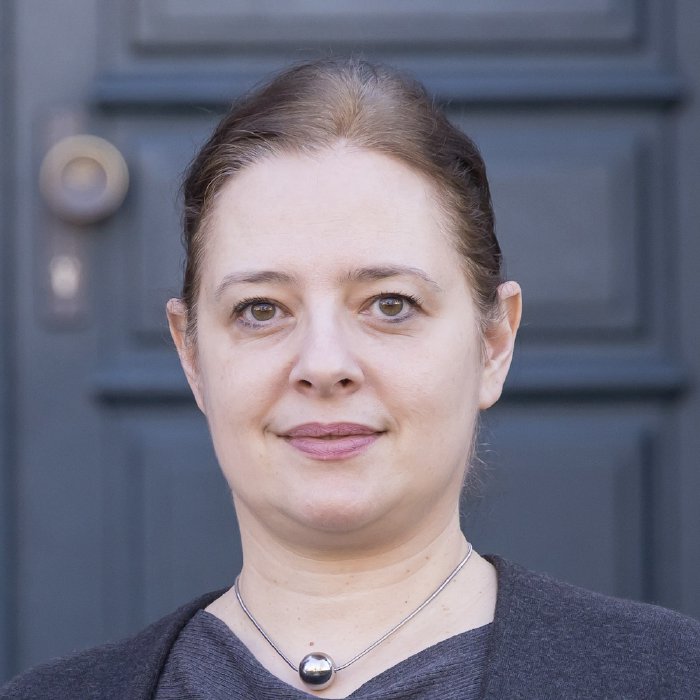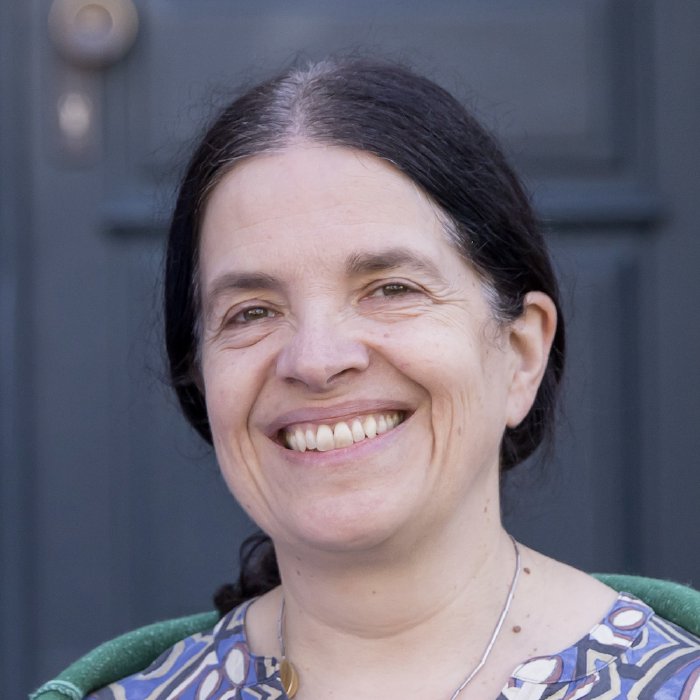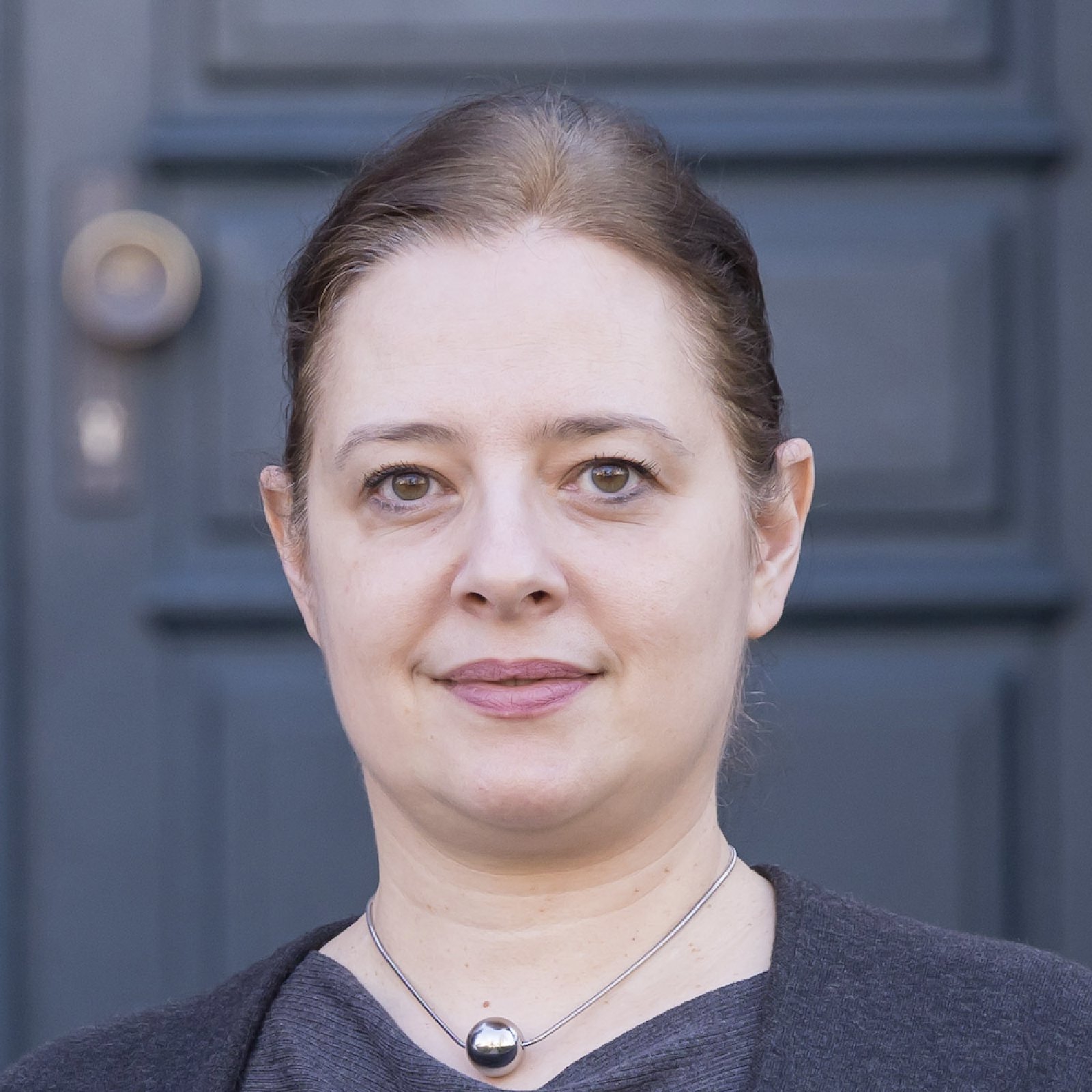
Maja Jagodic
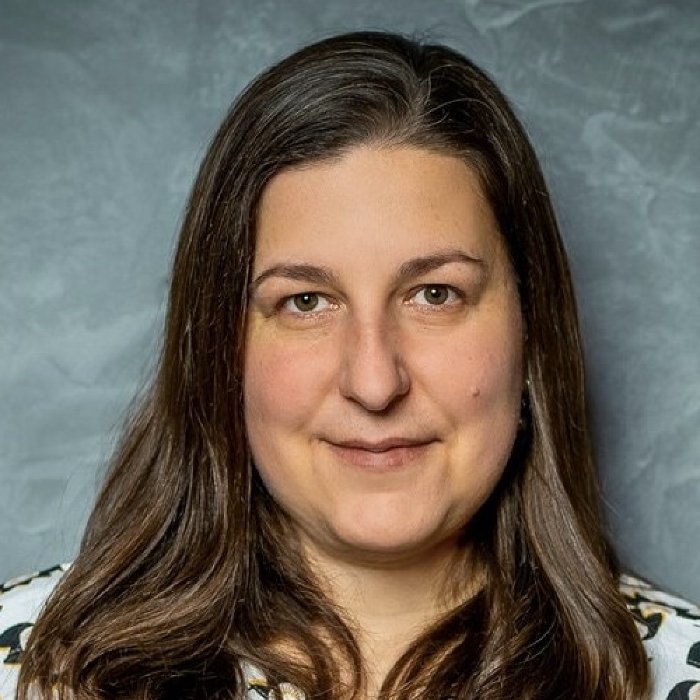
Maja Jagodic is Professor of Neuroinflammation at Department of Clinical Neurosience at Karolinska Institutet in Stockholm, Sweden, where she has been a group leader since 2012 and Head of Neuro Division since 2023. Her research strives to understand how epigenome integrates instructions from genetic and lifestyle factors to convey altered cellular functionality that leads to chronic inflammation and neuronal loss in in Multiple Sclerosis. This builds on her expertise in functional genetics and epigenomics acquired through her PhD at Department of Medicine (2000-2004), followed human genetics during first postdoc at Karolinska Institutet (2005-2006), and epigenetics and epigenomics acquired during her second postdoc at the University of Cambridge, United Kingdom (2006-2008). In 2008, she was awarded the Swedish Research Council Assistant Professor position for her pioneering research in epigenetics of neuroinflammation. Her group utilizes state-of-the-art molecular and analytical methods to elucidate functional states of discrete cells in unique clinical cohorts, followed by functional studies in advanced experimental models, with the goal to reveal the etiology of neuroinflammatory diseases and improve their management through novel treatments and specific biomarkers. Her excellent scientific quality and leadership is recognized by multiple awards, fellowships and grants (e.g. the ERC-consolidator grant, Wallenberg Foundation grant and multiple EU Horizon grants) and by her membership in renowned constellations of experts in neuroimmunology, genetics and epigenetics.
Publications
A genetic-epigenetic interplay at 1q21.1 locus underlies CHD1L-mediated vulnerability to primary progressive multiple sclerosis. Pahlevan Kakhki M., Giordano A., Starvaggi Cucuzza C. et al. Nat Commun. 15, 6419 (2024).
The aging mouse CNS is protected by an autophagy-dependent microglia population promoted by IL-34. Berglund R., Cheng Y., Piket E. et al. Nat Commun. 15, 383 (2024).
Locus for severity implicates CNS resilience in progression of multiple sclerosis. Harroud A., Stridh P., McCauley J.L. et al. Nature. 619, 323-331 (2023).
Neuronal methylome reveals CREB-associated neuro-axonal impairment in multiple sclerosis. Kular L., Needhamsen M., Adzemovic M.Z. et al. Clin Epigenetics. 11, 86 (2019).
Microglial autophagy-associated phagocytosis is essential for recovery from neuroinflammation. Berglund R., Guerreiro-Cacais A.O., Adzemovic M.Z. et al. Sci Immunol. 5, eabb5077 (2020).
Links
Department of Clinical Neuroscience
Institution
Stockholm